


Our company produces:
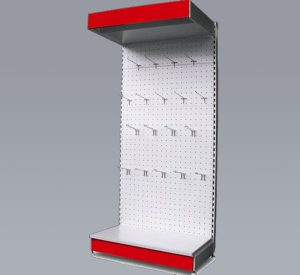
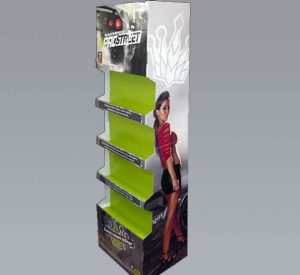
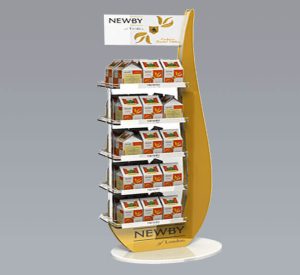
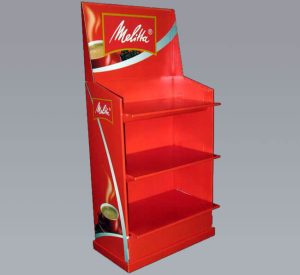
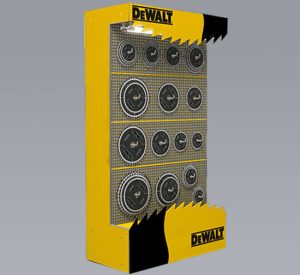
The design of trade and advertising stands also plays an important role. The original structure of advertising equipment, combined with the best selection of materials, ensures the buyer’s interest and increases the number of sales.
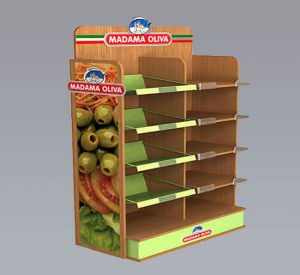
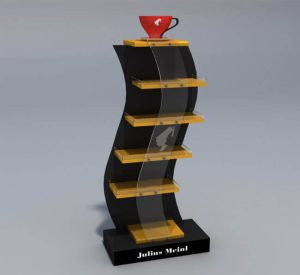
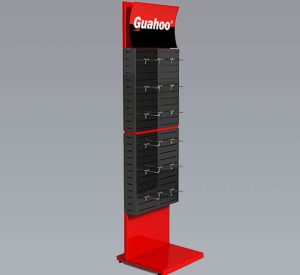
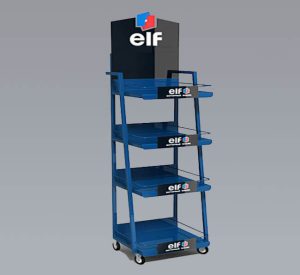
Advertising stands are made from various materials and can serve multiple functions. Our company has the equipment to manufacture commercial and advertising stands made of metal, plastic, laminated particle board (chipboard), wood, and glass. Applications of advertising images include large-format printing on vinyl film, direct printing on plastic, vinyl application, laser cutting of coloured plastics, or laser engraving on plastic, metal, or wood.
We do not have the finished product. We manufacture all trading and advertising stands to order.
This section of the website provides a variety of designs of advertising and trading stands.
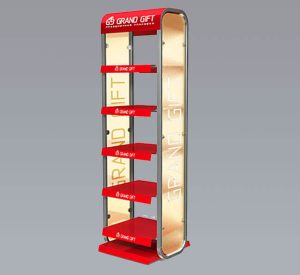
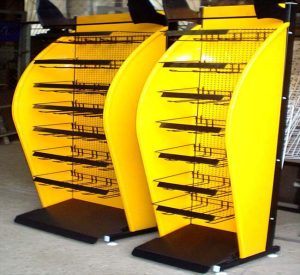
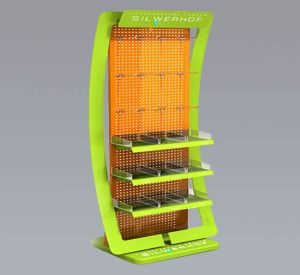
Businesses invest a lot of money in marketing campaigns, and many do not get the maximum value from their physical marketing infrastructure. The right display system – be that large format billboards, branded trade stands or modular exhibition stands – determines how well a brand captures attention, communicates its message and converts visibility into revenue.
Modern display solutions are a blend of structural engineering, tough materials, and strategic billboard design to get the best performance in challenging environments. From high-traffic urban billboards to portable information stands used in retail environments, the right design approach is the one that protects brand investment while ensuring measurable impact from the marketing effort.
Why Modern Display Structures Matter for Business Visibility
Customer engagement is based on visibility, and an operational risk is established through visibility without structural reliability. Display installations must be able to cope with environmental stress and keep their visual clarity and be able to facilitate rapid updates of campaigns.
Businesses typically prioritize four outcomes when investing in display systems:
- Maximum audience visibility in high-traffic environments
- Durability against weather and physical wear
- Brand consistency across multiple marketing locations
- Long-term return on investment through reusable systems
When properly engineered, display systems provide years of credible service, with the lowest cost of maintenance and replacement.
Large-Scale Billboards: Engineering Visibility for Outdoor Advertising
Outdoor billboards are still one of the best formats for high-frequency brand exposure. However, the effectiveness of billboard advertising relies a lot on structural engineering and the quality of materials.
The production of advertising billboards today involves much more than the placement of printed graphics. Manufacturers take into account the resistance from wind, protection from corrosion and safety during installation to ensure long-term performance.
Structural Requirements for Outdoor Billboard Systems
Outdoor billboard structures must comply with strict engineering standards. For example:
- Wind load resistance typically ranges between 120–160 km/h, depending on regional regulations.
- Frames often use galvanized steel or aluminum alloys to prevent corrosion.
- Foundations require reinforced concrete bases designed to distribute structural loads evenly.
These engineering decisions save a lot of long-term maintenance costs. A properly galvanized frame has a structural life of up to 15-20 years with little servicing.
Billboard Design That Maximizes Audience Impact
Good billboard design is all about clarity and readability in a matter of seconds. It is about 3-5 seconds that drivers or pedestrians usually need to process the message.
High-performing billboard layouts follow several practical principles:
- High-contrast color combinations improve readability at a distance.
- Minimal text with strong typography ensures instant comprehension.
- Large-scale brand elements reinforce recognition.
- UV-resistant printing technology protects colors from fading.
UV curable inks used in large format printing normally have color stability of 3-5 years in direct sun, avoiding the need for frequent reprinting costs of marketing budgets.
Trade Stands: High-Impact Branding in Competitive Event Spaces
Trade shows put dozens or hundreds of different brands in the same hall. Standard booths lose their visual presence if they are not structurally present and professionally branded.
Well-designed trade stands integrate architectural elements with movable branding surfaces in order to capture the attention of visitors from across the exhibition floor.
Key Design Elements for Effective Trade Show Stands
Successful trade stand designs integrate several structural and visual components:
- Modular aluminum framing systems for rapid assembly
- Backlit graphic panels to enhance visual impact
- Integrated shelving or demo counters for product displays
- Cable management channels for screens and lighting systems
Modular systems also save money on logistics. A reusable exhibition structure can be transported and reconfigured to multiple events, and reduces the costs of setting up the exhibit by 30-50% compared with custom-built booths.
Exhibition Stands: Scalable Systems for Multi-Event Campaigns
The companies that attend several exhibitions enjoy the fact that their display solutions can be scaled according to their booth sizes and setups.
Modern exhibition stands are based on a lot of modular architecture. These systems enable marketing teams to increase or decrease the booth size without redesigning the entire system.
Advantages of Modular Exhibition Systems
Modular exhibition stands provide operational flexibility through features such as:
- Interchangeable frame segments
- Magnetic or tension fabric graphics
- Lightweight aluminum structures
- Tool-free assembly mechanisms
This flexibility allows companies to keep the same presentation of their brand while working with different event floor plans.
For organizations that attend multiple trade shows each year, modular systems offer a dramatic increase in ROI because the main structure can be used for years.
Information Stands for Retail and Public Environments
Retail environments, corporate lobbies, and public spaces often need small, pocket-sized communication tools as opposed to large installs. Information stands fulfill this function by providing specific messages at eye-level where customers naturally stop.
These stands are commonly used for:
- Product promotions in retail stores
- Wayfinding signage in event venues
- Corporate announcements in office buildings
- Hospitality menus and service information
Design Considerations for Indoor Information Displays
Indoor information stands have to balance the needs of stability, aesthetics, and ease of updating content.
Common structural features include:
- Powder-coated steel or anodized aluminum frames
- Anti-glare acrylic display panels
- Weighted bases for stability in high-traffic areas
- Quick-swap poster systems
These systems are enabling marketing teams to switch campaigns by the second and not have to replace the display unit altogether.
Materials That Extend the Lifespan of Display Structures
The choice of material is a determining factor in the durability of display systems under real time scenario. Outdoor advertising installations and high-traffic event structures are subjected to constant stress from the elements, handling, and repeated assembly. Choosing the right materials means that billboards, trade stands, exhibition stands, and information stands can stay in their original structural integrity and visual quality for a long time.
Galvanized Steel for Billboard Frames
Galvanized steel is the backbone of most durable billboards that are used in outdoor advertising. Zinc coating that is used in the galvanization process is a protective barrier against rust and corrosion, even in wet or rainy conditions. This protection enables billboard structures to retain their strength and safety for long periods of exposure to the outside.
For companies involved in the production of advertising billboards, galvanized steel provides structural reliability with reduced long-term maintenance requirements. Well-maintained steel frames can take 15-20 years with limited maintenance, and are therefore an affordable option in permanent outdoor signage construction on the roadside and in open spaces where the installation may be very large.
Aluminum Alloy for Modular Trade Stands
Trade stands that are used in exhibitions require a compromise between strength and portability. Aluminum alloy frames offer this balance between high structural support and low weight, which allows easy transportation and assembly.
Event teams often use aluminum-based modular display systems because the systems make it easier to set up and break down booths. These systems have enabled companies to reuse the same structural systems for multiple shows, which can improve efficiency while still ensuring that the presentation is professional at each trade show.
PVC Banner Material for Outdoor Graphics
Outdoor advertising graphics are subjected to constant exposure to the elements of sun, wind, and rain. PVC banner materials are used widely in the creation of billboard materials because they offer an excellent degree of weather resistance along with high-quality print clarity.
PVC banners can also be combined with UV-resistant printing technologies to maintain color vibrancy during long periods of the campaign. This durability means that outdoor billboards will have a lasting effect throughout the entire advertisement period without having to be replaced too frequently.
Tension Fabric for Exhibition Stands
Modern exhibition stands frequently have tension fabric graphics stretched between lightweight aluminum frames. The fabric produces smooth and seamless surfaces that eliminate wrinkles and visible folds, resulting in a polished and professional brand display.
Tension fabric systems also support high-resolution printing, which is the option if brands want to showcase vibrant visuals and graphic in large scale. Due to the lightweight and flexible nature of these types of fabric, exhibition teams can easily transport them from one venue to the next while maintaining consistent branding from one event to the next.
Acrylic Panels for Information Stands
Indoor information stands often include acrylic panels to provide signage, promotional materials, or direction. Acrylic offers clarity and a sleek look that complements the professional retail and corporate look.
The material is also durable enough to take high traffic, such as shopping centers, event halls, and reception areas. Acrylic display surfaces safeguard the printed graphics while still providing a clean, modern presentation that adds to the credibility of the brand.
Why Material Selection Matters for Long-Term ROI
Choosing the proper combination of materials is a direct factor in the life span and performance of the display structure. Companies that use high-quality elements, such as galvanized steel frames, banner materials, and other materials, safeguard their marketing resources and minimize operational hiccups.
In many cases, strategic material selection reduces maintenance costs by up to 40% as compared to lower-grade options. Durable display systems are not only for the long term, but also allow you to ensure that your branding can look as strong as ever throughout every campaign.
The Production Process for Professional Display Systems
The production of advertising billboards and event displays follows a structured process to ensure performance and reliability.
Typical Workflow
- Concept and technical consultation
- Structural design and engineering calculations
- Material selection and manufacturing
- Graphic printing and finishing
- Quality testing and installation
Engineering teams weigh such factors as structural load, transportation limitations, and environmental exposure before manufacturing starts.
This way, it avoids expensive redesigns and guarantees that installations are safe according to regulations.
Customization Options for Brand-Centric Display Systems
Businesses rarely have the same marketing requirements. Custom display solutions enables companies to match their physical marketing assets with brand identity and campaign objectives.
Customization possibilities include:
- Integrated LED lighting systems
- Digital screens for dynamic content
- Custom shapes and architectural features
- Multi-layer graphics for depth and dimension
- Weatherproof coatings for outdoor signage structures
These features enhance visual differentiation, particularly in crowded trade show environments.
Choosing the Right Display Solution for Your Marketing Strategy
Selecting between billboards, trade stands, exhibition stands, and information stands depends on the campaign environment and audience interaction level.
Consider these factors when evaluating options:
- Audience distance (long-range visibility vs close interaction)
- Environment (indoor vs outdoor conditions)
- Campaign duration (temporary events vs permanent installations)
- Portability requirements
- Brand presentation goals
A well-matched display format strengthens brand visibility while ensuring efficient use of marketing budgets.
High-quality display structures are not mere marketing accessories – they are long-term brand assets. From massive billboards that dominate city skylines to customizable exhibition stands that are meant to be used at international trade shows, the proper solution to the display problem directly affects audience engagement and campaign effectiveness.
If you are planning an advertising campaign, looking to attend an industry exhibition, or are looking to upgrade your outdoor signage infrastructure, our team can help you design and manufacture display systems to suit your operational requirements.
We can consult, discuss technical, and offer a quote to you today, and learn how the display solutions can be strategically engineered to ensure your brand is seen and your marketing budget is not wasted.
FAQs about Display Stand
The most durable billboards are usually made of galvanized steel frames in combination with weather-resistant PVC banner materials or aluminum composite panels. Galvanized steel helps to protect the structure from corrosion, and UV-resistant printing and PVC graphics help to preserve color clarity even if left in the elements for long periods of time.
High-quality billboard structures can last 15-20 years and longer when designed with galvanized steel frames and built on properly reinforced foundations. The graphic panels or banners are typically changed every 3-5 years, depending on the environmental exposure and the change of the campaigns.
Most modern trade stands and exhibition stands have lightweight aluminum alloy frames with tension fabric graphics or laminated display panels. Aluminum decreases transportation weight and still maintains the strength of the structure, and tension fabrics make smooth, wrinkle-free surfaces for exceptional branding.
The choice depends on a number of factors: the environment (indoor vs outdoor), installation time, portability requirements, and branding requirements. For example, information stands are best suited for indoor promotions and customer guidance, while large billboards provide high-visibility advertising in outdoor locations.
Material quality has direct implications on durability, maintenance cost, and usability in the long term. Display systems made from corrosion-resistant metals with UV-stable graphics and high-grade structural components need fewer repairs and replacements. In many situations, this makes maintenance costs up to 40% lower.