


Our company produces:
- metal constructions, pylons of any complexity;
- different metal constructions — from aluminum, stainless steel, ferrous metal, copper, brass and others
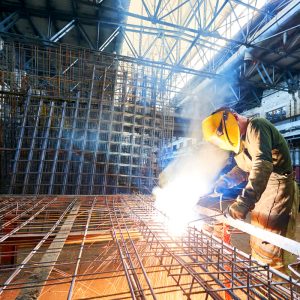
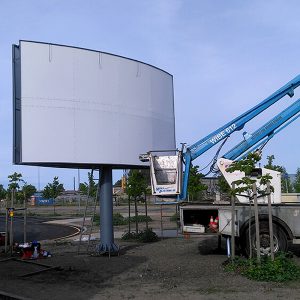
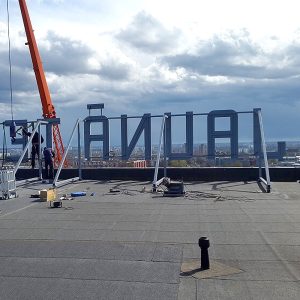
Among the plethora of existing advertising, the most important attribute of a brand that attracts attention and the one that loses its relevance and sinks into the depths of the arsenal is visibility. Outdoor signs, such as those by the side of a busy motorway, on a roof overlooking a city street, or in a shopping center car park, are not an act of marketing but a long-term investment in brand image. However, whether signage that makes you notice it lives a long life or it dies within two seasons is determined a long time before the first bolt is tightened. It is determined at the desk of engineering for metal structures for advertising.
All of the metal advertising structures start with a set of key decisions: which type of steel grade to use, geometry, connections, and surface treatment. All of these decisions have a direct impact on whether the structure will be a viable brand asset or a liability worth a lot of money. This article takes a tour of how precision engineering, smart material specification, and professional installations can come together to make metal advertising structures work harder than the brands they carry.
Why the Design Phase Determines Everything Downstream
The most important step of metal advertising construction creation is the design phase. An interpretation of geometry, briefly, or omission of wind load analysis, practically always leads to a structure that needs costly remediation once in place or cannot pass inspection before the advertising even launches. At the design phase, precision engineering ensures that structural integrity is fixed even before a profile is cut for metal structures for advertising.
Member sizing, connection detailing, base plate calculations, and anchor bolt specifications are not variables to be optimized on-site. These parameters control the long term safety and brand consistency in a variety of places. Dimensional accuracy is just as important as structural integrity to the businesses implementing multi-site campaigns. An advertising pylon with metal frames, which is made to a tolerance of ± 2mm, makes the proportions of the brands similar at each location. Deviations: These consist of the visible discrepancies of letter spacing, panel placement, and illumination consistency due to manual approximation or lack of tooling specifications, which diminish brand equity with time.
The way to make the most expensive signage infrastructure error is to look at fabrication drawings as suggestions and not contracts with physics.
Engineering Sign-Off: More Than Bureaucracy
Structural calculations prepared or inspected by a qualified engineer are not a bureaucratic prerequisite, but the engine that ensures that load paths, safety factors, and how it might fail are verified during no actual stress is imparted at the object. The most frequent factor that leads to retroactive permitting issues or insurance problems is the tendency of clients to skip this step in order to save money or speed up delivery for metal structures for advertising.
Sign-off in engineering guarantees the following:
- Load paths are well defined so as to avoid structural failure.
- Connection of the members is designed for both operational and environmental loads.
- Such factors as safety consider extreme weather, vibration, and long-term fatigue.
- The tolerance of the installation is accurately measured, thus the teams on-site can reproduce the design.
Simply stated, an approved design by the engineer has the outline of the durability, regulatory, and brand consistency.
Metal Structures as Strategic Brand Assets
Procurement teams that focus on unit cost alone often under-invest in signage infrastructure. A metal frame represents your brand through its physical presence, which determines how people read at high speeds and maintains structural integrity over time, and its surface finish demonstrates product value before customers see the actual content. The use of total cost of ownership assessment needs to consider all aspects of fabrication installation, maintenance and replacement costs while evaluating how brand visibility affects revenue. A structure engineered for fifteen years with minimal maintenance typically has a lower annualised cost than a lower-specification unit requiring intervention within three to seven years. Organizations must address regulatory compliance as a key factor in their operations. Councils and property owners increasingly scrutinise structural documentation before granting permits. The approval process receives acceleration through a fabrication package, which includes verified engineering calculations along with material certificates and detailed installation procedures.
Advertising Pylon Frames: Solving Visibility Challenges
Pylons serve as elevated structures which display brand identity when ground-based signs fail to fulfill visibility needs. The structural design approach combines three elements which include column engineering and foundation work with panel geometry to achieve optimal brand graphic placement. Multi-tenant pylons introduce additional challenges because their design requires support of different panel sizes and weights without disrupting the building’s structural balance.
- Modular systems must allow tenant change-outs without compromising base integrity.
- Engineers must design foundations as complete systems that need to include soil type, frost depth, and local seismic activity.
- Underspecified foundations lead to lean, safety risks, and brand damage within a few years.
Roof Advertising Supporting Structures: Non-Negotiable Engineering
Roof-mounted signage offers high visibility but loads the host building in unforeseen ways. Roof advertising frames require:
- Load calculations for self-weight, wind uplift, lateral pressure, and dynamic fatigue.
- Assessment of the host building’s capacity at specific attachment points.
Bypassing this step risks structural damage, voided insurance, and regulatory enforcement action.
Ballasted vs. Mechanically Fixed Frames:
- Ballasted systems distribute weight without roof penetration.
- Mechanically fixed frames offer a low-profile solution with higher uplift resistance.
Selection depends on roof type, wind exposure, and building structure—not convenience.
Large Format Banner Mounting Frames: Flexibility Without Compromise
Retail campaigns often require seasonal banner rotations. Frames designed for reuse include:
- Spring-loaded or quick-release tensioning to prevent overstressing members.
- Venting geometry and reinforced corners to manage wind drag.
- Galvanized or stainless hardware to resist corrosion.
- Standardised attachment systems for in-house updates.
- Adequate ground clearance and rear access are designed into the layout.
Failure to design for operational realities compromises both structural and brand outcomes.
Metal Frames for Light Boxes: Precision Protects LEDs
Illuminated light boxes fail prematurely if frames are fabricated with loose tolerances. Considerations include:
- Flat, dimensionally stable perimeters to prevent panel distortion.
- Proper sealing against water ingress.
- Accommodation for thermal expansion—steel and aluminium behave differently.
- Correct cavity depth to maintain LED diffusion and prevent hot spots.
Small deviations in frame dimensions lead to moisture ingress, corrosion, and uneven lighting.
Metal Frames for Illuminated Letters: Hidden Structural Backbone
Channel letters are highly visible applications of precision fabrication. Key points include:
- Return depth consistency across all letters ensures uniform projection.
- Halo-lit letters require ±1 mm tolerance for even illumination.
- Integrated electrical safety: IP65-rated connections, strain relief, and conductor sizing.
Electrical compliance is baseline, not an optional upgrade. A well-designed frame integrates these details upfront.
Installation: Translating Engineering into Reality
The installation process establishes the quality of design and fabrication work through its successful verification or complete downfall. Experienced installers can operate the site under different conditions, which include substrate variation and access limitations as well as utilities and weather conditions, while maintaining the structural intent of their work. The complete process requires partners who unite their engineering, fabrication, and installation capabilities to confirm design assumptions through substrate verification. The foundation work must meet two requirements, which include preparing the site and executing proper anchor torque procedures. The team conducts two activities, which involve checking both interim bracing and panel alignment.
The electrical connection uses IP-rated sealing to establish a secure link between the two systems. The final inspection process, together with the as-built documentation process, marks the conclusion of the project. Lower-tier contractors often omit post-installation documentation, which creates problems for maintenance and modifications and insurance claims. Proper records protect both client and structure.
Choosing an End-to-End Partner: Reliability Over Convenience
The market varies widely. Fabricators may produce standard profiles but lack engineering for non-standard projects. Integrated operations with in-house structural engineering, CNC fabrication, surface treatment, and installation crews deliver:
- Predictable quality across multiple sites.
- Single accountability for warranty and maintenance.
- Meaningful warranty enforcement backed by complete documentation.
Questions to ask any potential partner:
- Can they provide stamped engineering calculations for the specific structure type?
- Do they hold liability insurance covering both fabrication and installation?
- Can they produce material test certificates for steel and coatings?
- Do they retain as-installed records for the duration of the structure’s service life?
- Do they provide maintenance schedules and post-installation support?
The project begins with initial consultation and design work which continues through fabrication and installation until it reaches the handover stage. The integrated team works to ensure that all project elements meet both engineering standards and brand requirements.
The project team needs to specify either a single pylon, a rooftop frame, or illuminated signage for multiple locations. The permanent structures built for the project create actual brand value while decreasing total ownership expenses.
FAQs about Metal Advertising Constructions
High-quality structures with proper engineering, galvanized or duplex coatings, and regular maintenance can last 15–25 years or more, depending on exposure conditions.
Engineering sign-off verifies load paths, wind resistance, and building compatibility, preventing structural failures, insurance complications, and regulatory violations.
Yes, if designed with thermal expansion allowances, venting for wind loads, reinforced connections, and weatherproofing for moisture ingress.
Duplex coating combines hot-dip galvanization with powder coating, extending protective life by 1.5–2.3 times compared to single treatments.
Integrated teams manage design, engineering, fabrication, and installation, ensuring consistent quality, reduced delays, and simplified warranty management.