


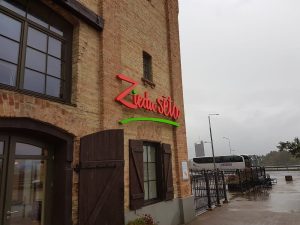
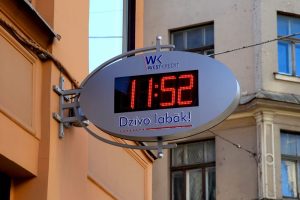
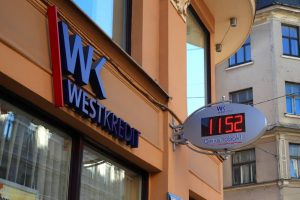
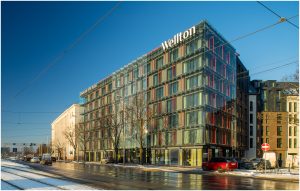
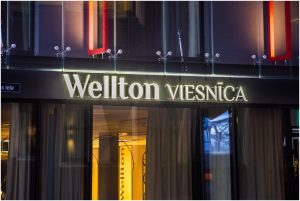
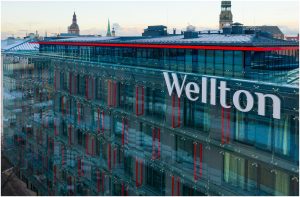
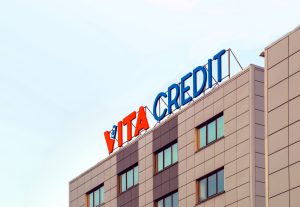
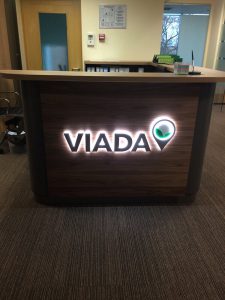
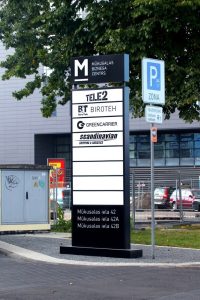
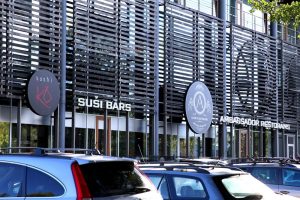
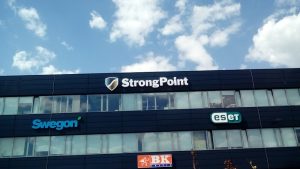
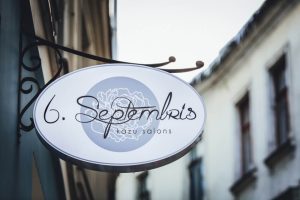
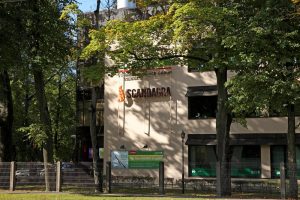
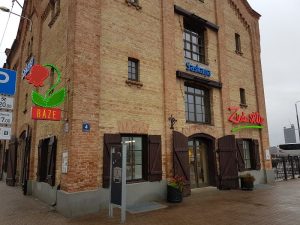
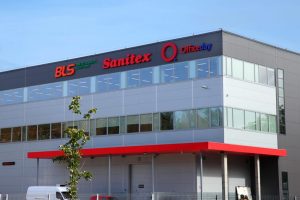
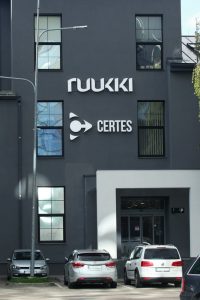
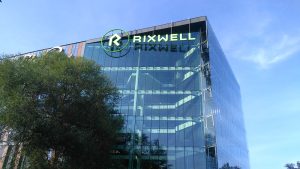
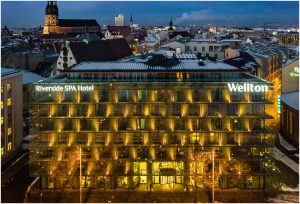
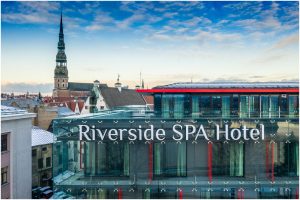
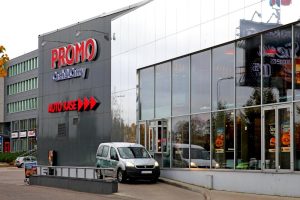
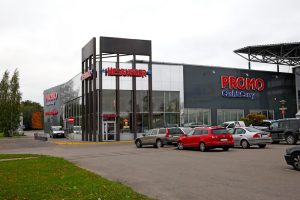
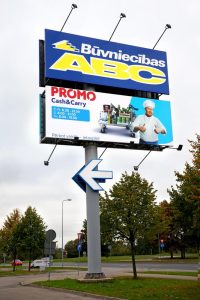
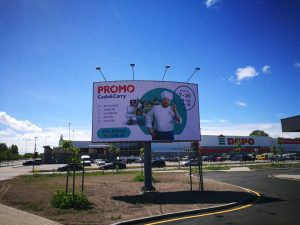
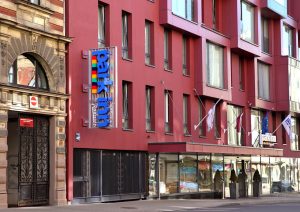
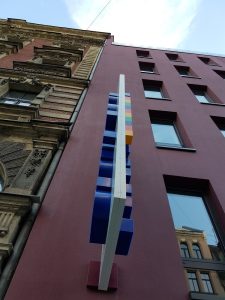
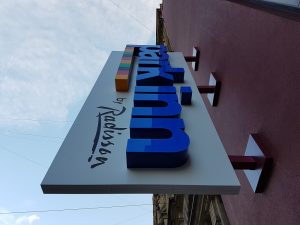
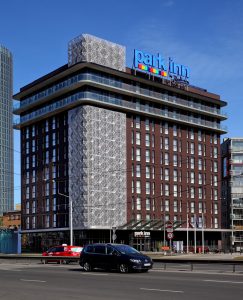
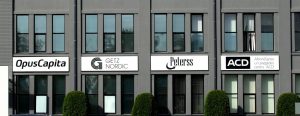
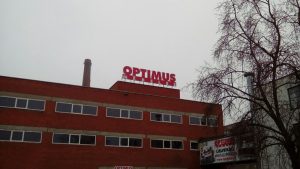
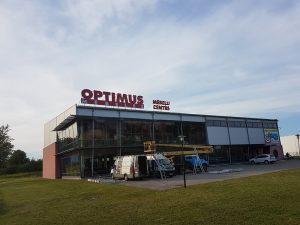

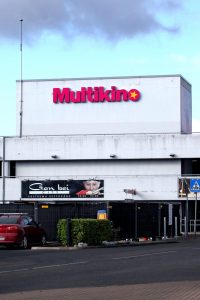
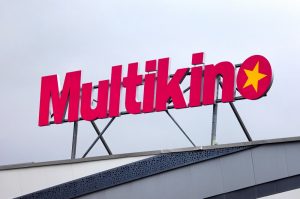
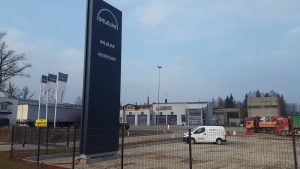
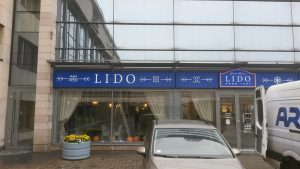
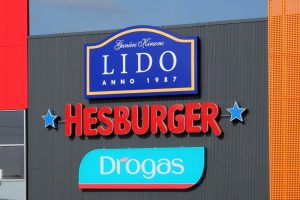
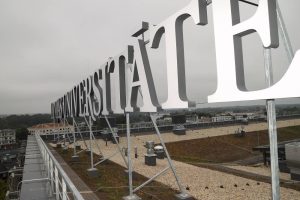
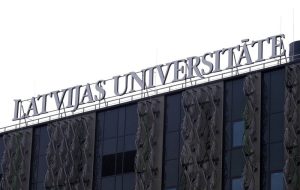
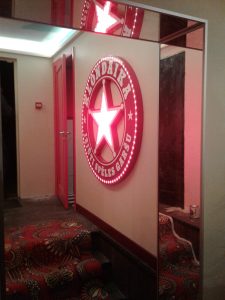
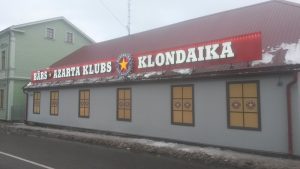
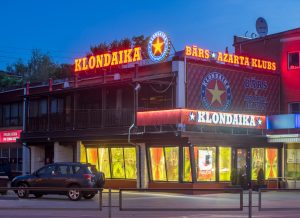
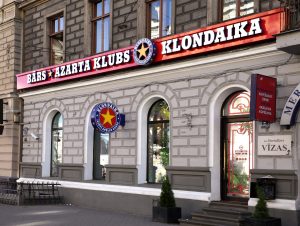
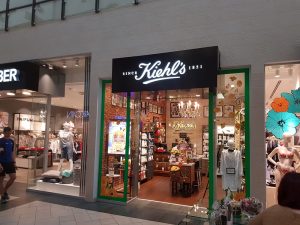
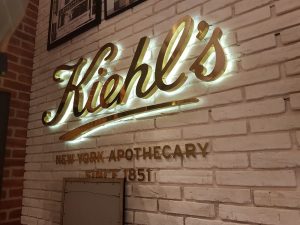
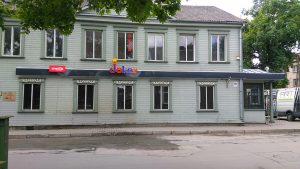
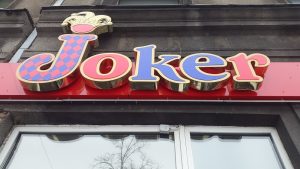
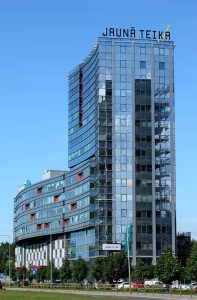
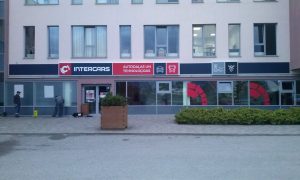
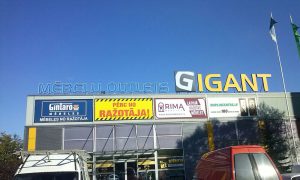
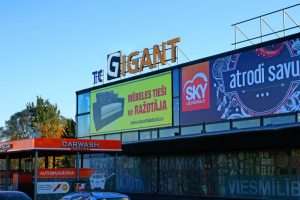
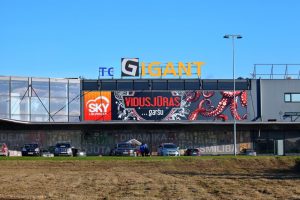
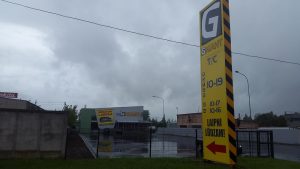
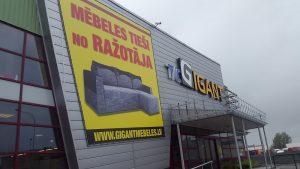
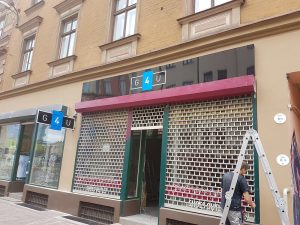
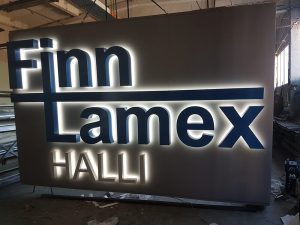
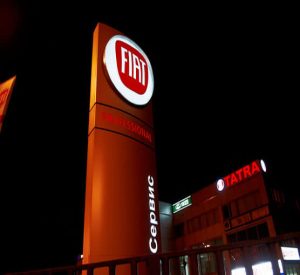
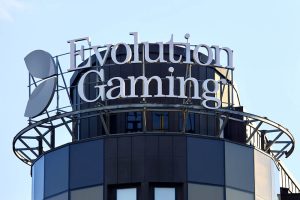
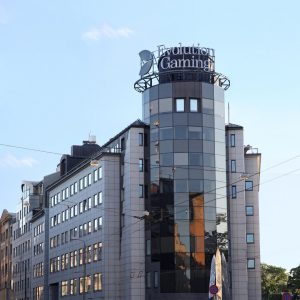
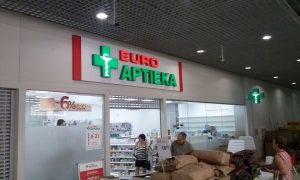
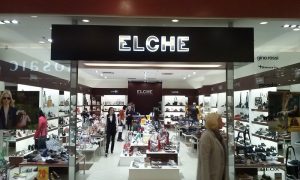
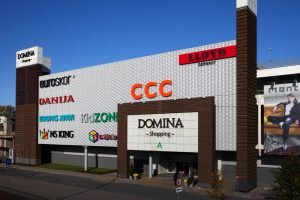
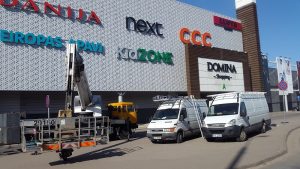
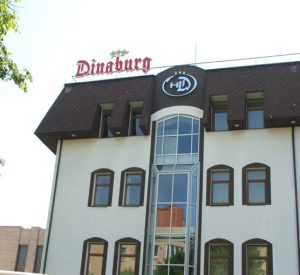
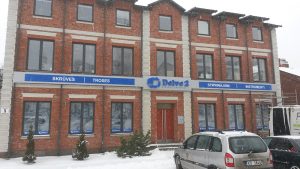
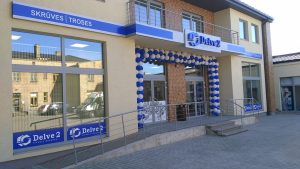
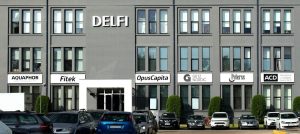
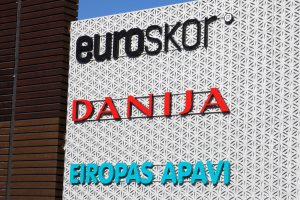
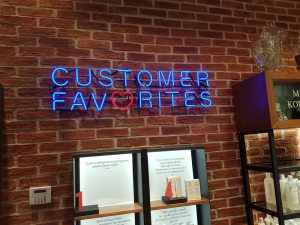
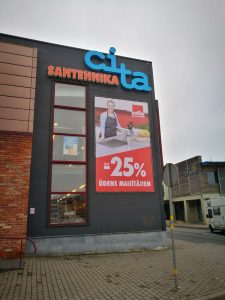
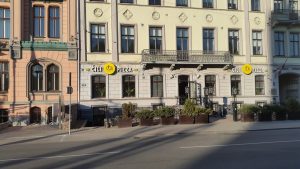
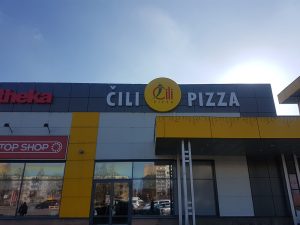
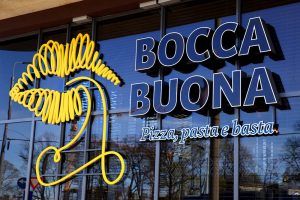
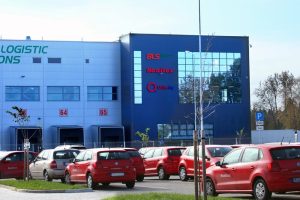
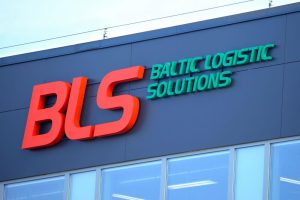
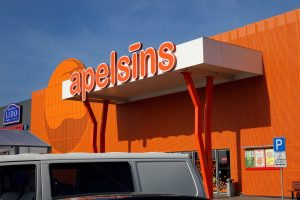
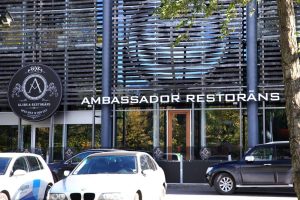
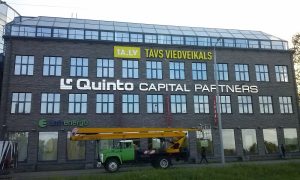
Photo Gallery of Completed Outdoor Advertizing Projects
Every advertising structure that stands on a busy Riga boulevard, anchors a retail facade, or dominates a trade fair floor began as a strategic conversation between a client and a production team that understood the full complexity of what “make it visible” actually means. This article walks through a curated selection of completed projects from our outdoor advertising portfolio in Latvia — not as a catalog of products, but as a record of problems solved, decisions made under constraint, and results that measurably moved the needle for our clients.
Whether you manage a national retail chain, oversee facility branding for a logistics group, or are launching a regional campaign that demands physical presence, the signage project examples below illustrate what full-cycle advertising production looks like from the first structural brief to the final installation audit.
Beyond Aesthetics: Why Execution Quality Defines Advertising ROI
A well-designed sign that fails structurally after two winters is not a branding asset — it is a liability. The distinction between advertising that performs and advertising that merely exists comes down to the gap between visual intent and technical execution. Our visual branding case studies consistently show that clients who invest in structural integrity from the outset spend significantly less on maintenance over a five-year horizon and maintain brand consistency without emergency reprints or replacement panels.
The advertising production solutions we deliver are built around a core principle: every external element must survive the operating environment it inhabits. In Latvia, that means wind loads exceeding 30 m/s, freeze-thaw cycling across facades, and UV degradation rates that vary dramatically between south-facing and north-facing installations. These are engineering realities, not aesthetic variables, and they drive every material specification we present to clients during project planning.
The projects below represent the breadth of our completed signage installation gallery — from urban retail facades to large-format highway structures — each selected to demonstrate how specific technical decisions translated into durable, high-performing branded assets.
Urban Retail Facade Branding — High Street Visibility in a Competitive Corridor
Project Context
A mid-size fashion retailer operating three locations in Riga’s central shopping district engaged us to unify their brand presence across storefronts with inconsistent signage inherited from previous tenants. The challenge was not simply design — each facade had different substrate materials, mounting depth restrictions imposed by the building management, and varying illumination requirements based on interior layout.
What We Delivered
The custom sign design process began with a full facade survey: structural anchor points, electrical supply routing, and permitted projection dimensions. We specified powder-coated aluminium channel lettering with integrated LED modules rated at 50,000-hour lifespan — not because LED is a default choice, but because the client’s operating hours (7:00–23:00 daily) made energy draw and maintenance access genuine financial considerations.
Material durability was non-negotiable given the facades’ exposure to pedestrian splash zones and seasonal condensation. Each letter housing was sealed to IP65 standards, with zinc-coated internal brackets providing corrosion resistance without adding unnecessary structural mass that would have required additional facade anchoring.
Outcome
• Footfall attribution data from the client’s in-store counters showed a 17% increase in walk-in traffic across all three locations within 90 days of installation.
• Energy consumption per illuminated facade dropped by 34% compared to the fluorescent box signage previously in use.
• No maintenance callouts were recorded during the first 18 months post-installation — a direct result of specifying correctly rated sealing from the outset.
This project is a strong reference point in our completed signage installation gallery for retailers evaluating the cost-benefit of full facade refreshes versus incremental patchwork updates.
Highway Advertising Structure — Maximum Reach, Minimum Maintenance
Project Context
A logistics company entering the Latvian market needed a landmark presence on one of the main arterial routes between Riga and Jēkabpils. The brief called for a freestanding advertising structure visible from both directions at 90 km/h travel speed, with a minimum legibility distance of 400 metres. This is a precision engineering brief, not a creative one — and it required structural design work before a single design element was finalised.
Engineering-First Approach
The design of advertising structures at this scale begins with ground load analysis and wind resistance calculation. The chosen site had a slightly elevated position relative to the road, which increased wind exposure beyond standard category assumptions. We specified a galvanised steel primary column with a base plate foundation depth of 2.4 metres, calculated against a 50-year return period wind event — this is the standard we apply across freestanding structures regardless of client timeline pressure.
The display surface used a 3mm aluminium composite panel system with hidden fastener rails, eliminating visible hardware that accumulates rust staining over time. Graphic application was digitally printed vinyl with a seven-year outdoor durability rating, laminated with anti-graffiti overcoat — relevant in this location due to proximity to a known vandalism corridor.
Outcome
The structure has operated without intervention for 26 months since installation. The client reported that their Riga distribution hub received a measurable increase in inbound enquiries from transport operators citing the roadside structure as the first point of brand awareness — a direct attribution confirming that strategic placement and structural quality compound into genuine business outcomes.
Neon Signage Manufacturing for Hospitality — Character as a Branding Tool
Project Context
One of the more technically demanding entries in our outdoor advertising portfolio in Latvia was a bespoke neon installation for a premium bar and live music venue in Riga’s Old Town. The client had a specific creative vision: hand-bent neon in a custom typeface that matched their brand identity, mounted in a street-facing window position visible from 60 metres, with enough luminance to compete with surrounding mixed retail and restaurant signage.
Neon as a Technical Discipline
Our work as a neon sign manufacturer in Latvia goes well beyond sourcing tubes and connecting them to a transformer. Each project in this category starts with a glass bending specification drawn from the approved artwork — translating digital letterforms into achievable bends without compromising stroke consistency. The typeface for this project required 14 individual tube sections, hand-bent from 10mm and 12mm clear glass with argon-mercury fill for the warm white tones specified in the brand palette.
Transformer sizing is often underestimated in neon signage manufacturing. Undersized transformers reduce tube lifespan and cause visible flicker within 18 months — a common failure mode in lower-specification installations. We calculated electrode loading per section and specified a segmented transformer configuration that allows individual section replacement without taking the full installation offline.
Custom Sign Design Ideas That Serve Business Goals
Beyond engineering, the placement strategy mattered. Working with the client’s interior design team, we determined that a 15-degree outward tilt on the mounting frame increased the sign’s off-axis visibility for pedestrians approaching from the main street — a small adjustment that expanded the effective viewing cone by approximately 40%.
• Sign has operated continuously for 31 months with no tube replacements.
• The installation became a social media reference point for the venue, appearing in over 200 guest posts within the first six months — quantifiable earned media value attributable to the visual impact of the signage.
• Rival venues in the same block subsequently approached us for comparable installations, citing the quality of this project as their primary reference.
Corporate Campus Wayfinding & Identity System
A manufacturing group with a 14-hectare production campus outside Riga needed a complete signage and visual branding system installed across their site: entrance monumentation, directional wayfinding for visitors and heavy vehicle operators, department identification panels for six production buildings, and safety-compliance signage meeting EN ISO 7010 standards throughout.
This is a project type that separates full-cycle advertising production companies from suppliers who can handle individual sign types. The complexity lies in coordinating multiple fabrication streams, installation sequencing around live production schedules, and ensuring that design consistency is maintained across formats ranging from 80mm door plaques to 3-metre entrance monolith structures.
Execution Considerations
Installation was phased across six weekends to avoid disrupting weekday production shifts. Each phase required coordination with the site facilities team, pre-notification to production supervisors, and post-installation walkthroughs with the health and safety officer before sign-off. This level of programme management is standard for our signage production in Riga for industrial and corporate clients — it reflects an understanding that our installations operate within active business environments, not controlled construction sites.
Outcome
• Visitor orientation complaints to reception fell by 78% within the first quarter following installation.
• The client’s ISO audit, conducted four months post-installation, noted compliance signage as fully meeting statutory requirements with no remedial actions required.
• The entrance monolith design was subsequently adopted as the reference standard for two additional facilities the group opened in Estonia and Lithuania.
What Separates High-Performance Advertising Installations from Average Ones
After reviewing the project examples above, patterns emerge that distinguish installations that consistently deliver measurable client outcomes from those that merely fulfil a brief on paper. These are not abstract principles — they are observable in every project in our installation portfolio.
Material Selection Tied to Operating Environment
Generic material specifications — “aluminium signs”, “LED lettering” — obscure the decisions that actually determine performance. The alloy grade, coating specification, sealing rating, and fastener material all interact with the specific environment. A sign installed 80 metres from a coastal inlet faces different oxidisation risk than one installed in a city centre retail block. Matching material grade to environment is the single most reliable predictor of long-term maintenance cost.
Structural Engineering as a Pre-Design Requirement
Design decisions should follow structural feasibility, not precede it. A creative concept that cannot be safely mounted to the specified substrate, or that exceeds permitted loading on a heritage facade, is not a viable option regardless of how well it performs visually. Our process requires a structural feasibility assessment before any design concept is presented to the client — this eliminates redesign costs downstream and ensures that what is presented can actually be built and certified.
Installation as a Quality Control Stage
The quality of fabrication is only realised if installation is executed with equivalent precision. Misaligned mounting brackets, insufficient torque on structural fasteners, and inadequate weatherproofing of cable entry points are common installation failures that compromise even well-fabricated signage within 12–18 months. Our installation teams are trained to treat every connection point as a potential failure mode and document every stage of the installation process for client records.
Planning Your Next Project: What to Bring to the First Conversation
The quality of a project brief directly determines the accuracy of the production proposal you receive. Clients who come to the first conversation with the following information consistently receive more precise timelines, more accurate cost estimates, and faster design turnaround:
1. Site photographs from multiple angles, including any adjacency context that affects visibility or installation access.
2. Mounting surface details: substrate material, age, any known structural constraints, and whether any third-party building consent is required.
3. Brand assets in vector format (AI or EPS files) with confirmed Pantone or RAL colour references — not JPEG exports from a PDF.
4. Operating environment context: is the installation in an urban, industrial, coastal, or rural setting? What is the nearest classification for wind exposure category?
5. Intended lifespan and maintenance tolerance: a sign budgeted for a three-year campaign has different material specifications than one intended as a 15-year permanent brand fixture.
None of these requirements are onerous — they are the raw material of accurate project planning. Advertising production is a technically complex field, and the more context we have at the outset, the more precisely we can design for your specific outcome rather than a generic approximation of it.
FAQs about Gallery Showcase
What types of projects are included in your outdoor advertising portfolio in Latvia?
Our portfolio includes a wide range of completed signage and advertising installations such as retail facade branding, highway advertising structures, neon signage for hospitality venues, and large-scale corporate campus wayfinding systems across Latvia and the Baltics.
How do you ensure the durability of outdoor signage in harsh weather conditions?
Each project is engineered based on its environment. We consider wind load, UV exposure, temperature fluctuations, and moisture conditions. Materials such as galvanised steel, powder-coated aluminium, and IP-rated LED systems are selected to ensure long-term performance and reduced maintenance needs.
What makes a signage project successful beyond its visual design?
A successful signage project combines design with structural engineering, correct material selection, and professional installation. Performance is measured by visibility, durability, maintenance requirements, and how effectively it supports business outcomes like traffic or brand recognition.
Do you offer custom sign design for unique branding requirements?
Yes. All projects are fully customised. From neon signage and illuminated letters to large freestanding structures, each design is tailored to the client’s brand identity, location constraints, and business objectives.
How long does a typical signage project take from concept to installation?
Timelines vary depending on complexity. Simple facade signs may take a few weeks, while large-scale or multi-site projects involving engineering approvals and fabrication can take several months from initial concept to final installation.
The projects documented in this showcase represent a cross-section of what our team delivers across retail, corporate, hospitality, and infrastructure sectors. Each one began with a conversation about a specific business problem and ended with an installed structure that solved it — durably, visibly, and on specification.
If you are evaluating advertising production solutions for an upcoming project — whether it is a single flagship installation or a multi-site rollout across Latvia and the Baltics — we invite you to explore our full completed signage installation gallery or contact our project team directly for a consultation.
We work with marketing directors, facility managers, and brand strategists who value the combination of technical rigour and creative execution that delivers advertising structures worth investing in. Signage production in Riga, delivered to the standard your brand deserves.